Spain is the go-to destination for British climbers wanting reliable rock, and the data backs it up. At its best, Costa Blanca in January hits 79% climbable days, well above the Peak District's ceiling of 49% or Fontainebleau's 29%. But Spain isn't one destination; so we have picked seven distinct climbing regions, each with its own weather window. Get the timing wrong and you'll be baking at El Chorro in August or watching Atlantic fronts roll through the Basque Country in November.
This guide is based on our weather model applied to 30 years of AEMET climate normals (1991–2020), using the same Green/Amber/Red system used across the site. Check climbingforecast.co.uk before you fly for the latest forecast.
At a glance: best months by region
| Region | Best months | Avoid |
|---|---|---|
| Costa Blanca | Jan–Mar, Nov–Dec | Jul–Aug |
| Andalucía | May, Mar, Oct | Jul–Aug |
| Catalonia | Nov, Mar | Jul–Aug |
| Aragón | Mar, Sep | Jan, Dec |
| Picos de Europa | Jul–Sep | Oct–May |
| Basque Country | Jul–Sep | Nov–Feb |
| Madrid / La Pedriza | Mar, Sep | Jul–Aug |
Costa Blanca
The classic British winter climbing trip, and the numbers justify it. January and February both sit at 79% green days, making Costa Blanca the most reliable winter climbing destination in Spain. You're flying two and a half hours from the UK to better-than-summer conditions.
Sella, Olta, Echo Valley, Mascarat Gorge, Toix, and Peñón d'Ifach are all within an hour of Alicante airport on south-facing limestone that dries quickly after rain.
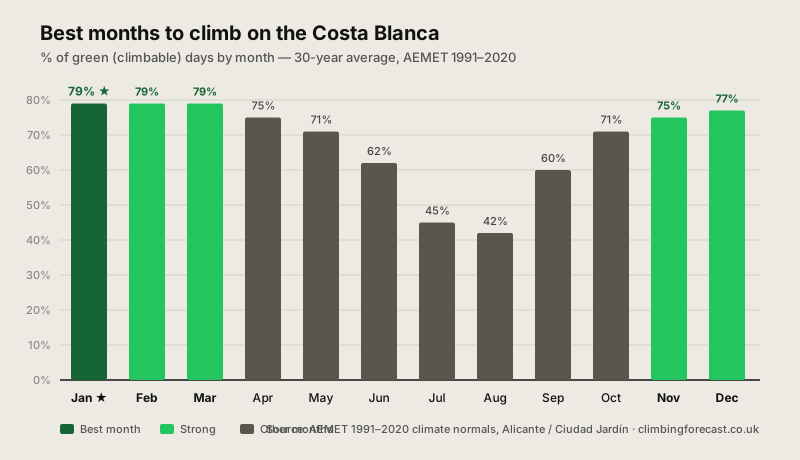
| Month | Green Days | Amber Days | Red Days | % Green | Green + Amber |
|---|---|---|---|---|---|
| Jan ★ | 24.5 | 3.5 | 3 | 79% | 90% |
| Feb | 22 | 3 | 3 | 79% | 89% |
| Mar | 24.5 | 3.5 | 3 | 79% | 90% |
| Apr | 22.5 | 3.5 | 4 | 75% | 87% |
| May | 22 | 6 | 3 | 71% | 90% |
| Jun | 18.5 | 9.5 | 2 | 62% | 93% |
| Jul | 14 | 13 | 4 | 45% | 87% |
| Aug | 13 | 13 | 5 | 42% | 84% |
| Sep | 18 | 9 | 3 | 60% | 90% |
| Oct | 22 | 5 | 4 | 71% | 87% |
| Nov | 22.5 | 3.5 | 4 | 75% | 87% |
| Dec | 24 | 4 | 3 | 77% | 90% |
Best months: January to March and November to December.
Avoid: July and August. Sun-facing sectors bake from mid-morning and temperatures regularly exceed 35°C on the rock. Mascarat Gorge and Forada's north-facing wall stay cooler through summer, but these aren't enough to justify the trip in the heat.
Worth knowing: Most October rain arrives as concentrated gota fría storms. The rest of the month is often perfectly dry, and if you do get hit by one it's usually over within 24 hours and the rock dries fast.
Andalucía
El Chorro is the headline act. It's a dramatic gorge with hundreds of routes above the Caminito del Rey walkway, around two hours from Málaga airport. Loja, Archidona, and Ronda are also within reach for a longer trip.
May is the best month (74% green), with March and October both at 71%. Andalucía has a wider shoulder season than the Costa Blanca; spring and autumn are both genuinely strong.
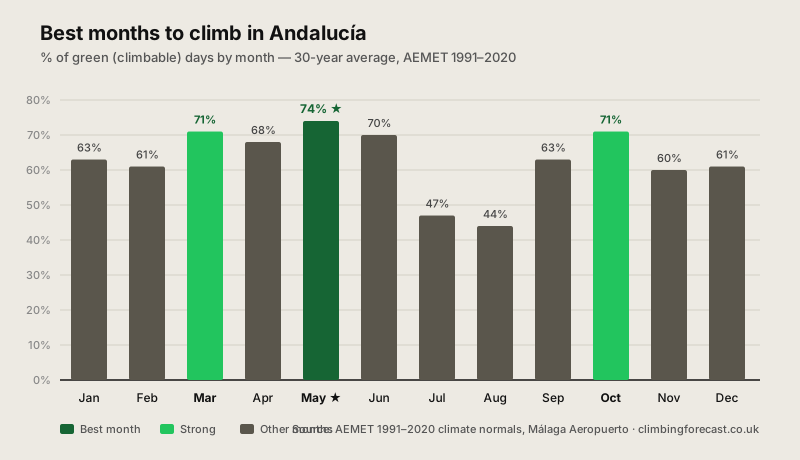
| Month | Green Days | Amber Days | Red Days | % Green | Green + Amber |
|---|---|---|---|---|---|
| Jan | 19.5 | 6.5 | 5 | 63% | 84% |
| Feb | 17 | 6 | 5 | 61% | 82% |
| Mar | 22 | 5 | 4 | 71% | 87% |
| Apr | 20.5 | 4.5 | 5 | 68% | 83% |
| May ★ | 23 | 5 | 3 | 74% | 90% |
| Jun | 21 | 8 | 1 | 70% | 97% |
| Jul | 14.5 | 14.5 | 2 | 47% | 94% |
| Aug | 13.5 | 14.5 | 3 | 44% | 90% |
| Sep | 19 | 9 | 2 | 63% | 93% |
| Oct | 22 | 4 | 5 | 71% | 84% |
| Nov | 18 | 6 | 6 | 60% | 80% |
| Dec | 19 | 6 | 6 | 61% | 81% |
Best months: May, March, and October.
Avoid: July and August. El Chorro sits 250 m inland and runs 2–3°C hotter than Málaga airport. Temperatures at the crag regularly hit 38°C in August.
Worth knowing: The Makinodromo cave and Poema de Roca sector seep for 2–3 days after winter rain; the Frontales upper tier dries within hours. If rain hits, it's worth checking sectors before writing off a day.
Catalonia
Siurana, Margalef, and Oliana are the three main draws. All are world-class sport climbing areas within an hour or two of Barcelona or Reus airport. Montsant, Terradets, and Sant Llorenç de Montgai round out a region that could fill a fortnight easily.
The shoulder seasons are the sweet spot: November (73% green) and March (71%). Think of it as picking up where Fontainebleau leaves off — when the Font season closes in autumn, Catalonia opens up.
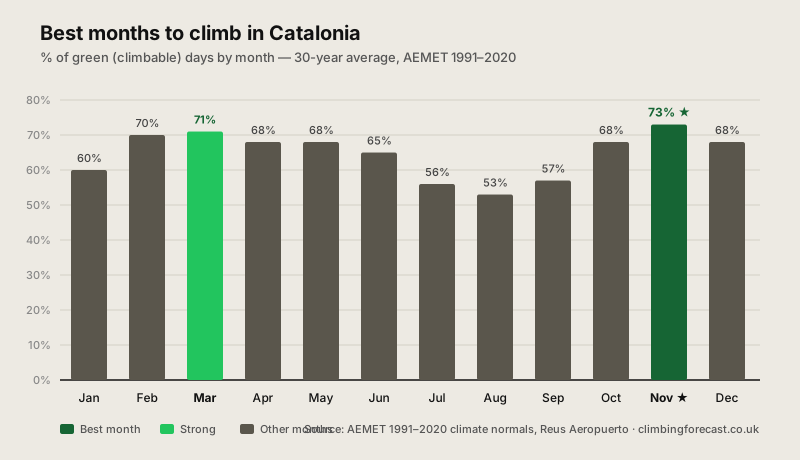
| Month | Green Days | Amber Days | Red Days | % Green | Green + Amber |
|---|---|---|---|---|---|
| Jan | 18.5 | 8.5 | 4 | 60% | 87% |
| Feb | 19.5 | 5.5 | 3 | 70% | 89% |
| Mar | 22 | 6 | 3 | 71% | 90% |
| Apr | 20.5 | 4.5 | 5 | 68% | 83% |
| May | 21 | 5 | 5 | 68% | 84% |
| Jun | 19.5 | 7.5 | 3 | 65% | 90% |
| Jul | 17.5 | 11.5 | 2 | 56% | 94% |
| Aug | 16.5 | 11.5 | 3 | 53% | 90% |
| Sep | 17 | 8 | 5 | 57% | 83% |
| Oct | 21 | 5 | 5 | 68% | 84% |
| Nov ★ | 22 | 4 | 4 | 73% | 87% |
| Dec | 21 | 6 | 4 | 68% | 87% |
Best months: November and March.
Avoid: July and August, though Catalonia holds up better than the coast in summer thanks to altitude.
Worth knowing: Siurana sits at 730 m — winter mornings at El Pati sector run around 4°C colder than the Reus data suggests, so bring a belay jacket in January and February. Margalef's conglomerate drains faster than the rain-day figures imply, so its effective green-day count is higher than the table shows. Oliana's tufas need 5–10 consecutive dry days before hard projects come into condition, regardless of what the regional forecast looks like.
Aragón
Aragón covers three distinct destinations: Rodellar (deep canyon sport climbing), Riglos (multi-pitch on the Mallos conglomerate towers), and Albarracín (sandstone bouldering in pine forest). Alquézar and Vadiello are also worth a visit on a longer trip.
March and September are the best months at 68% green. January and December are the worst. It gets cold, stays damp, and the deep Rodellar canyon holds moisture long after the rest of the region has cleared.
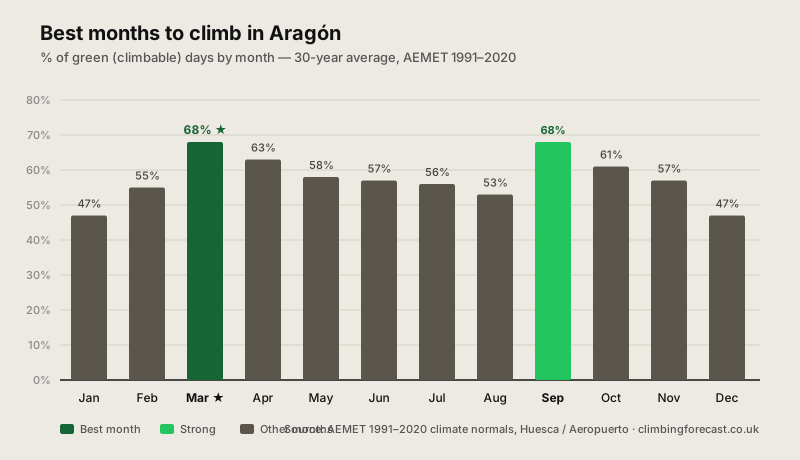
| Month | Green Days | Amber Days | Red Days | % Green | Green + Amber |
|---|---|---|---|---|---|
| Jan | 14.5 | 11.5 | 5 | 47% | 84% |
| Feb | 15.5 | 8.5 | 4 | 55% | 86% |
| Mar ★ | 21 | 6 | 4 | 68% | 87% |
| Apr | 19 | 5 | 6 | 63% | 80% |
| May | 18 | 6 | 7 | 58% | 77% |
| Jun | 17 | 8 | 5 | 57% | 83% |
| Jul | 17.5 | 10.5 | 3 | 56% | 90% |
| Aug | 16.5 | 10.5 | 4 | 53% | 87% |
| Sep | 20.5 | 4.5 | 5 | 68% | 83% |
| Oct | 19 | 6 | 6 | 61% | 81% |
| Nov | 17 | 8 | 5 | 57% | 83% |
| Dec | 14.5 | 11.5 | 5 | 47% | 84% |
Best months: March and September.
Avoid: January and December — particularly for Rodellar, where the canyon takes 3–5 days to dry after heavy rain even when the wider region has cleared.
Worth knowing: Albarracín (sandstone, 1,150 m) has its own microclimate and needs 48 hours dry after rain — see our Albarracín deep-dive for month-by-month data blended from two higher-altitude AEMET stations. It runs cooler than the lowland Aragón chart above suggests, with November through March the strongest window.
Picos de Europa
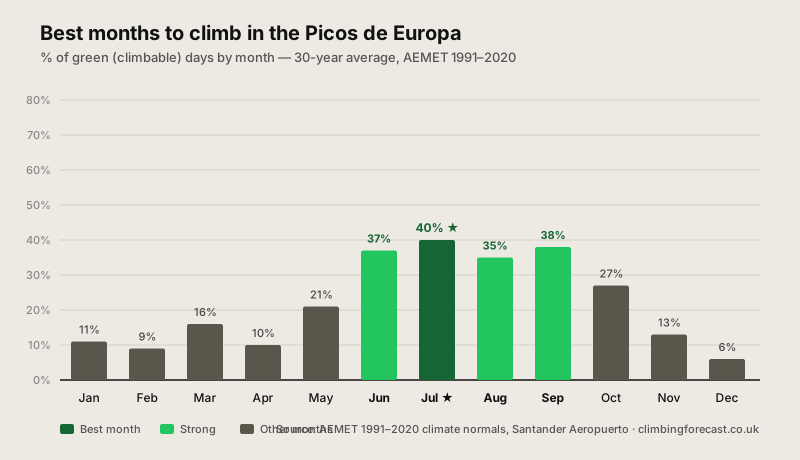
Picos de Europa is the outlier on this list. Naranjo de Bulnes (Picu Urriellu) is less of a sport climbing trip and more of an alpine or trad objective. The weather data reflects it. Even at its best in July, green days only reach 40%. This is not a winter sun destination; plan accordingly.
| Month | Green Days | Amber Days | Red Days | % Green | Green + Amber |
|---|---|---|---|---|---|
| Jan | 3.5 | 10.5 | 17 | 11% | 45% |
| Feb | 2.5 | 9.5 | 16 | 9% | 43% |
| Mar | 5 | 11 | 15 | 16% | 52% |
| Apr | 3 | 11 | 16 | 10% | 47% |
| May | 6.5 | 11.5 | 13 | 21% | 58% |
| Jun | 11 | 9.5 | 9.5 | 37% | 68% |
| Jul ★ | 12.5 | 9.5 | 9 | 40% | 71% |
| Aug | 11 | 10 | 10 | 35% | 68% |
| Sep | 11.5 | 9.5 | 9 | 38% | 70% |
| Oct | 8.5 | 10.5 | 12 | 27% | 61% |
| Nov | 4 | 11 | 15 | 13% | 50% |
| Dec | 2 | 11 | 18 | 6% | 42% |
Best months: July to September — and even then, conditions are changeable.
Avoid: October to May. The station data is more optimistic than conditions at altitude — Picu Urriellu sits at 2,000 m and carries snow on the rock from October through May or June most years.
Worth knowing: The station at Santander airport sits at sea level. Treat the table as a floor for valley crags; the alpine routes have a tighter window of July to early September. If you're planning a serious route on Naranjo de Bulnes, build in a weather window rather than booking fixed dates.
Basque Country
Atxarte and Egino are the main crags — both sheltered limestone gorges in Álava province, a short drive from Vitoria-Gasteiz. The Basque Country is significantly wetter than the rest of Spain, but it has a genuine summer window that's easy to overlook.
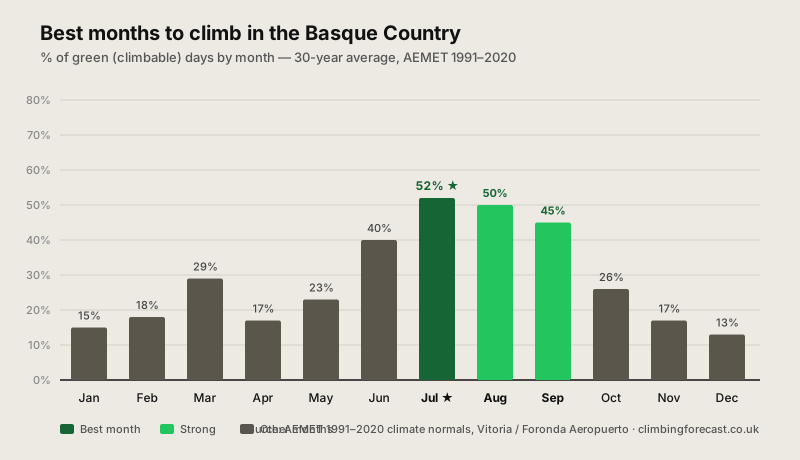
July (52% green) and August (50%) are the best months, with better odds than a UK summer. September (45%) holds up well. Think of it as a summer alternative rather than a winter escape.
| Month | Green Days | Amber Days | Red Days | % Green | Green + Amber |
|---|---|---|---|---|---|
| Jan | 4.5 | 13.5 | 13 | 15% | 58% |
| Feb | 5 | 11.5 | 11.5 | 18% | 59% |
| Mar | 9 | 12 | 10 | 29% | 68% |
| Apr | 5 | 12 | 13 | 17% | 57% |
| May | 7 | 11 | 13 | 23% | 58% |
| Jun | 12 | 9 | 9 | 40% | 70% |
| Jul ★ | 16 | 8 | 7 | 52% | 77% |
| Aug | 15.5 | 8.5 | 7 | 50% | 77% |
| Sep | 13.5 | 8.5 | 8 | 45% | 73% |
| Oct | 8 | 11 | 12 | 26% | 61% |
| Nov | 5 | 12 | 13 | 17% | 57% |
| Dec | 4 | 14 | 13 | 13% | 58% |
Best months: July, August, and September.
Avoid: November to February. Atlantic fronts arrive regularly and background humidity stays high. Green days drop to 13–18% in winter.
Worth knowing: Atxarte is a sheltered south-facing gorge that dries faster than the regional data implies, but seepage from the limestone cap above keeps upper sectors streaky for days after rain. Egino sits further inland and runs slightly drier than the Vitoria station suggests.
Madrid / La Pedriza
La Pedriza is Spain's best granite bouldering area. It's a chaotic landscape of rounded domes and boulders in the Guadarrama mountains, about an hour north of Madrid. It's a very different experience to the limestone sport climbing elsewhere in Spain, and worth a dedicated trip if you boulder.
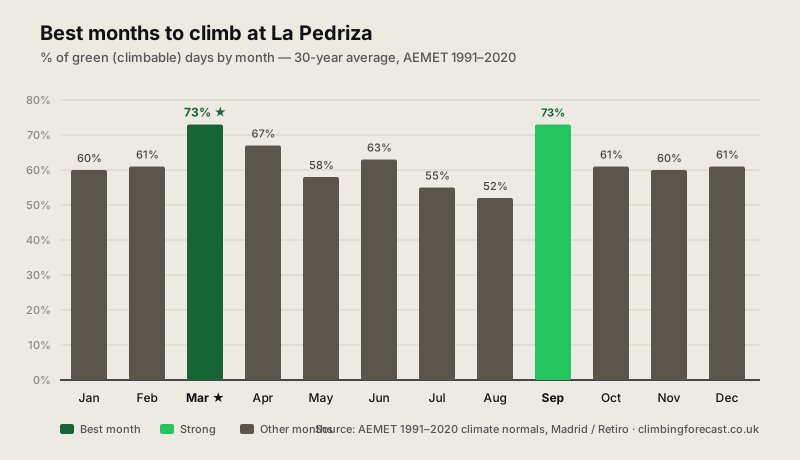
March and September are both the best months at 73% green. The continental climate means conditions hold up reasonably well through winter, though the higher sectors get cold.
| Month | Green Days | Amber Days | Red Days | % Green | Green + Amber |
|---|---|---|---|---|---|
| Jan | 18.5 | 7.5 | 5 | 60% | 84% |
| Feb | 17 | 6 | 5 | 61% | 82% |
| Mar ★ | 22.5 | 4.5 | 4 | 73% | 87% |
| Apr | 20 | 4 | 6 | 67% | 80% |
| May | 18 | 6 | 7 | 58% | 77% |
| Jun | 19 | 8 | 3 | 63% | 90% |
| Jul | 17 | 13 | 1 | 55% | 97% |
| Aug | 16 | 13 | 2 | 52% | 94% |
| Sep | 22 | 4 | 4 | 73% | 87% |
| Oct | 19 | 6 | 6 | 61% | 81% |
| Nov | 18 | 7 | 5 | 60% | 83% |
| Dec | 19 | 7 | 5 | 61% | 84% |
Best months: March and September.
Avoid: July and August. Temperatures in Madrid regularly exceed 35°C and the approach to the higher sectors becomes a slog.
Worth knowing: The Madrid Retiro station sits at 667 m, but La Pedriza's upper sectors (El Yelmo, 1,700 m) run sub-zero before dawn in December and January. Granite drains fast in the dry continental air — post-rain return to condition is often same-day, which means the amber tail here is shorter than for the limestone regions above.
Frequently asked questions
What is the best time to climb in Spain overall?
It depends on the region. Costa Blanca peaks in January to March. Andalucía and Catalonia are strongest in March and November. Aragón and Madrid are best in March and September. The Basque Country and Picos are summer destinations. Between them, somewhere in Spain is always in good condition.
Is Spain good for winter climbing?
Yes, particularly the Costa Blanca and the Málaga coast. Costa Blanca in January averages 79% climbable days, well above what you'd expect from a UK summer. Catalonia and Andalucía are viable in winter too, though rain is more likely than on the coast.
Which Spanish climbing area has the best weather?
Costa Blanca has the highest green-day count at its best (79%), followed by Madrid and Catalonia in their shoulder seasons. The Basque Country and Picos de Europa are significantly wetter and are better treated as summer destinations.
Can you climb in Spain year-round?
Across all regions combined, yes. Costa Blanca covers November to March, Catalonia and Andalucía cover spring and autumn, and the Basque Country and Aragón cover summer. Avoid the lowland areas in July and August, and the Basque Country and Picos in winter. Always check climbingforecast.co.uk before you go — the 7-day forecast is more useful than monthly averages once you're booking.