Grande Grotta
Poor0.4mm rain forecast
Temp19°C
Wind37 km/h
Humidity72%
Rain 48hdry
RockDry
DODECANESE, GREECE · LIMESTONE · 18 SECTORS
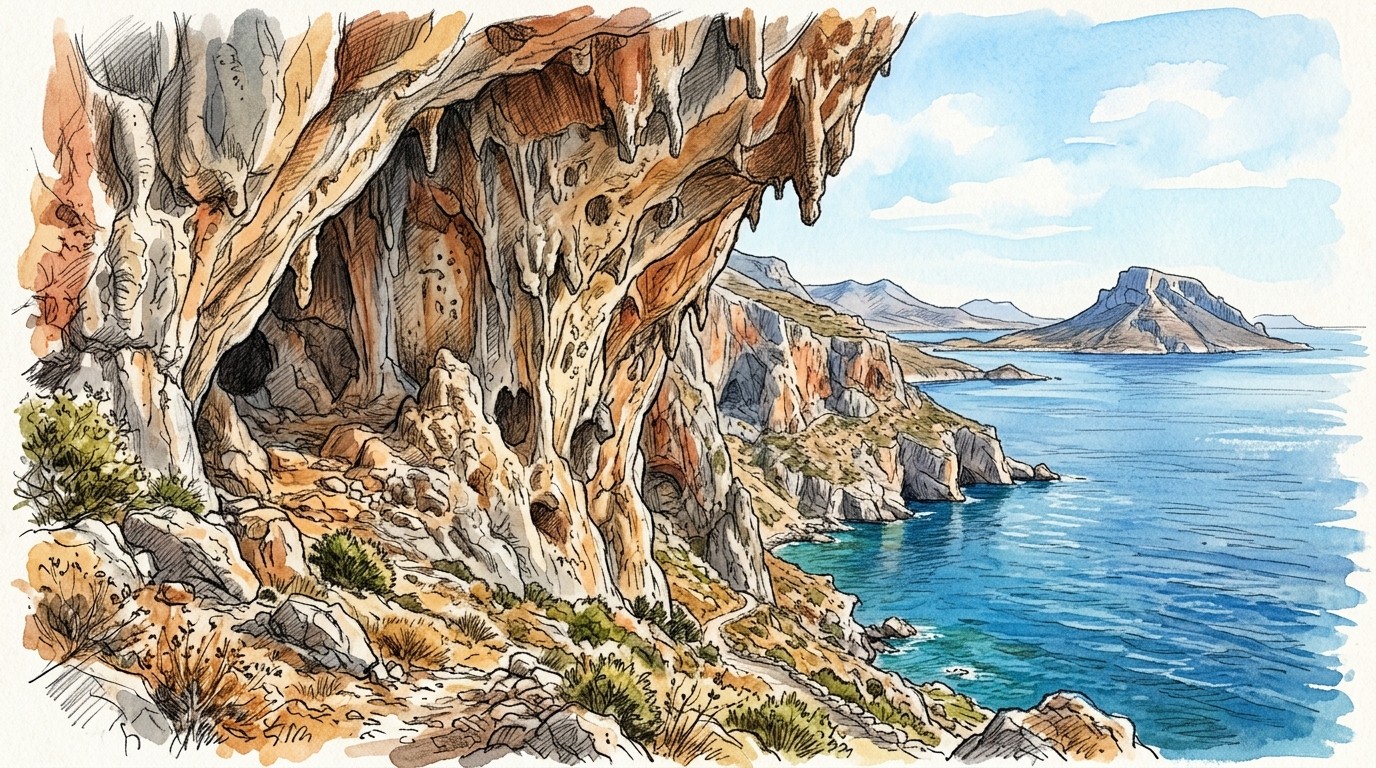
Kalymnos, a small island in the Dodecanese near the Turkish coast, is the world's best-known sport climbing island: thousands of bolted routes on grey and orange limestone, many on tufas and cave roofs above the sea. We forecast 18 sectors, from Grande Grotta and Odyssey above Masouri to Arginonta, Palace, Sikati Cave and the island of Telendos, and compare them side by side, updated every four hours, so you can pick the right sector for the sun, shade and wind.
Kalymnos looks poor today (0.4mm rain forecast).
Updated Mon 23 Nov, 05:33 · refreshed every 4 hours
0.4mm rain forecast
0.4mm rain forecast
0.4mm rain forecast
0.4mm rain forecast
0.4mm rain forecast
0.4mm rain forecast
0.4mm rain forecast
0.4mm rain forecast
0.4mm rain forecast
0.4mm rain forecast
0.4mm rain forecast
0.4mm rain forecast
0.4mm rain forecast
0.4mm rain forecast
0.4mm rain forecast
0.4mm rain forecast
0.4mm rain forecast
0.4mm rain forecast
Each day is judged on the 10:00–16:00 climbing window. Tap a name for hourly detail.
| Sector | Today | Tue | Wed | Thu | Fri | Sat | Sun | Mon |
|---|---|---|---|---|---|---|---|---|
| Grande Grotta | Poor | Poor | Caution | Good | Good | Poor | Poor | Poor |
| Odyssey | Poor | Poor | Caution | Good | Good | Poor | Poor | Poor |
| Panorama | Poor | Poor | Caution | Good | Good | Poor | Poor | Poor |
| Afternoon | Poor | Poor | Caution | Good | Good | Poor | Poor | Poor |
| Poets | Poor | Poor | Caution | Good | Good | Poor | Poor | Poor |
| Kalydna | Poor | Poor | Caution | Good | Good | Poor | Poor | Poor |
| Iliada | Poor | Poor | Caution | Good | Good | Poor | Poor | Poor |
| Kasteli | Poor | Poor | Caution | Good | Good | Poor | Poor | Poor |
| Spartacus | Poor | Poor | Caution | Good | Good | Poor | Poor | Poor |
| Jurassic Park | Poor | Poor | Caution | Good | Good | Poor | Poor | Poor |
| Arhi | Poor | Poor | Caution | Good | Good | Poor | Poor | Poor |
| Arginonta | Poor | Poor | Good | Good | Good | Poor | Poor | Poor |
| Arginonta Valley | Poor | Poor | Good | Good | Good | Poor | Poor | Poor |
| Palace | Poor | Poor | Caution | Good | Good | Poor | Poor | Poor |
| Sikati Cave | Poor | Poor | Good | Good | Good | Poor | Poor | Poor |
| Telendos — Irox | Poor | Poor | Caution | Good | Good | Poor | Poor | Poor |
| Telendos — Eros | Poor | Poor | Caution | Good | Good | Poor | Poor | Poor |
| Telendos — North Cape | Poor | Poor | Caution | Good | Good | Poor | Poor | Poor |
Late April and October. In our model run on 30 years of Greek weather data, April and October tie as the best months for an afternoon session, at 60% green (climbable) days, and the second half of April is the best fortnight of the year, at 65%. November (57%) and March (56%) come next. October is the busiest month on the island, so late April gives you the same odds with quieter crags.
September and summer afternoons are too hot: from June to August, afternoons score 0–19%, and the second half of September only 32%. Mornings are a different story, at 69–74% in September and 69–73% in summer, so start at first light and choose a shady sector. Our forecast marks a day amber when it passes 27°C (80°F) and red at 35°C (95°F). See the full table in Best Time to Climb in Kalymnos.
The famous sectors above Masouri, such as Grande Grotta, Odyssey and Panorama, face north-west: they are in the shade in the morning and get the afternoon sun. The sectors in the Arginonta valley and at Palace face east or north-east, so they get the morning sun and are shaded later in the day, and the Kalymnos climbing guide describes some Arginonta valley crags as shaded almost all day. On Telendos, Irox and Eros face east and the North Cape faces north.
So on hot days, climb the west-facing Masouri sectors in the morning and move to Arginonta or Telendos in the afternoon, and on cold winter days, do the opposite and follow the sun. The north wind that blows for days at a time in summer, the Meltemi, keeps the island cooler than the Greek mainland; a south wind brings heat, humidity and haze.
Most of the rain falls from November to February, on about 15 or 16 days a month in winter, and Kalymnos limestone usually dries fast afterwards. Our forecast treats any day with rain as red and then gives each sector its own drying time, but it doesn't know which sectors are caves. The deepest caves, such as Grande Grotta and Sikati Cave, stay dry through most rain, so in wet weather you will climb more than the forecast suggests. The local guide's advice: you can climb in the caves when it rains, but not during a thunderstorm.
After a rainy winter, tufas can seep into the spring, and stalactites that drip are softer and more likely to break. Check the holds, and stay off anything that's running with water.
Check the sector comparison at the top of this page. It shows today's verdict for 18 sectors, from Grande Grotta and Odyssey to Arginonta, Sikati Cave and Telendos, with the reason for any amber or red, and updates every four hours.
Late April and October, both at 60% green afternoons in our 30-year replay. The second half of April is the best fortnight, at 65%. November and March come next. Summer and early September afternoons are too hot.
In the morning, the north-west-facing sectors above Masouri, such as Grande Grotta and Odyssey. In the afternoon, the east-facing sectors in the Arginonta valley and at Palace, and Irox and Eros on Telendos. Some Arginonta valley crags are shaded almost all day.
Often, in the caves. The deepest caves, such as Grande Grotta and Sikati Cave, stay dry through most rain, but don't climb during a thunderstorm. Open walls need time to dry, and tufas can seep after a wet winter.
Yes. From December to February, 43–46% of afternoons are green in our replay, with mild highs of 13–15°C. It rains on about half the days, but the caves stay dry. Many hotels and restaurants in Masouri close from mid-November to late March.